






Items from our geosciences collection are now accessible online for free. All you need is your device and a little bit of inspiration to explore Queensland’s cultural and natural heritage.
Marine invertebrates
Explore our diverse marine invertebrate collections and research examining the diversity, ecology, evolution and climate sensitivity of marine invertebrates from Queensland and around the world.
Overview
Queensland Museum holds important collections of marine invertebrates at Queensland Museum Kurilpa, Collections and Research Centre, Hendra, and at Queensland Museum Tropics, Townsville.
Queensland Museum marine invertebrate collection includes a large number of specimens from Queensland’s tropical and temperate marine environments including Queensland’s three marine bioregions; the iconic Great Barrier Reef, Coral Sea and Temperate East, as well as specimens from around the world.
Invertebrates are animals without backbones. These ‘spineless’ animals include all animals other than vertebrates within the phylum Chordata. Consequently, invertebrates make up the vast majority of all animal life on Earth. Invertebrates that inhabit in marine environments are called marine invertebrates.
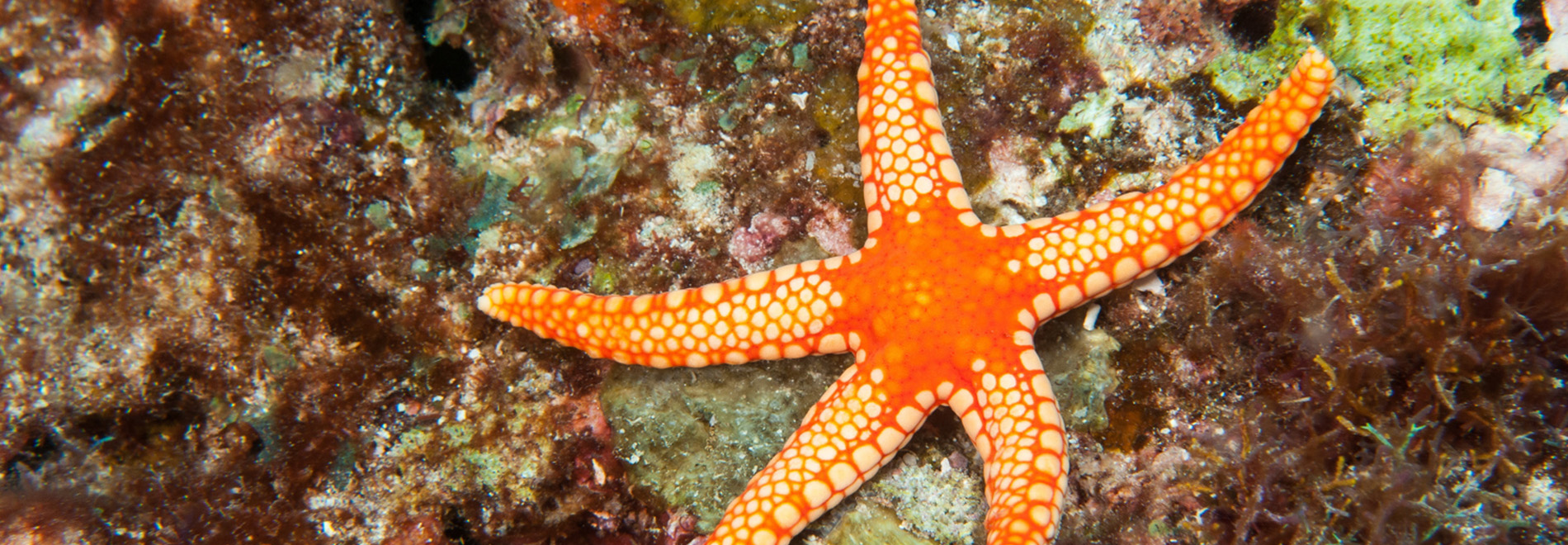
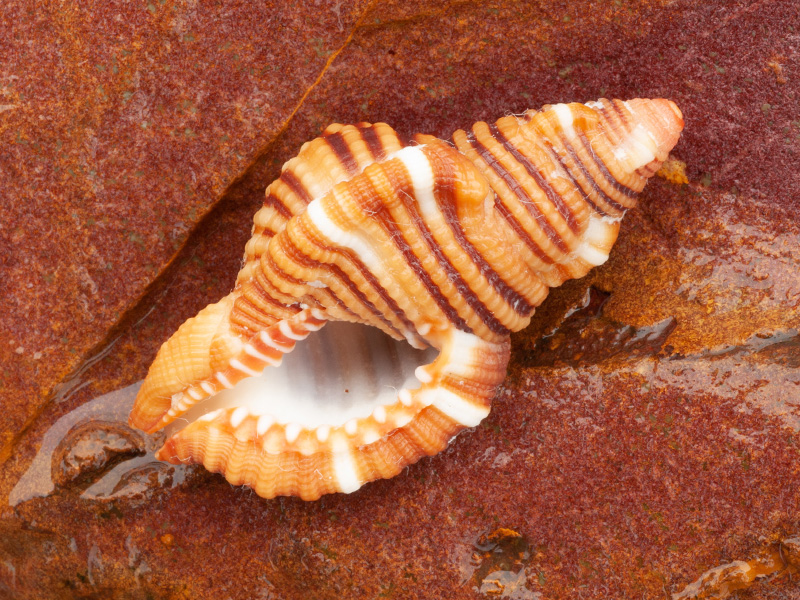
Common examples of marine invertebrates include molluscs (such as clams, snails and octopus), crustaceans (like crabs, prawns and barnacles), echinoderms (such as sea urchins, sea stars [starfish] and sea cucumbers), sponges, worms and corals.
Images
1 of 4
Collection highlights
The Queensland Museum collection contains approximately 258,000 marine invertebrates, including notable collections of sponges, crustaceans, marine parasites, molluscs and bryozoans.
The biodiversity team at Queensland Museum Tropics, Townsville specialise in tropical marine invertebrate biodiversity collections, particularly collections from the Great Barrier Reef. These collections include collections across the Great Barrier Reef continental shelf, deep sea collections and bioresources archives. Queensland Museum Tropics holds over 100,000 marine invertebrate specimens including one of the largest coral collections in the world.
Research overview
Queensland Museum conducts research on the taxonomy, systematics, biogeography, evolution, ecology, physiology, behaviour and effects of environmental change on marine invertebrates.
Marine invertebrates are often sensitive to changes in their environment, such as increasing seawater temperature and ocean acidification caused by global climate change.
Marine invertebrates are ectotherms, which means they are ‘cold-blooded’. The temperature of their surrounding seawater is critical for their physiological processes. Increasing seawater temperature caused by global warming causes a range of lethal and sub-lethal affects in marine invertebrates, including loss of symbiotic algae (known as ‘bleaching’) in invertebrates that have symbiotic associations with algae such as corals and giant clams.
The oceans absorb about 30-50% of the carbon dioxide humans have released into the atmosphere by burning fossil fuels, and this causes ‘ocean acidification’ in seawater. Ocean acidification makes it harder for marine invertebrates to make and maintain their calcium carbonate (limestone) shells and skeletons, which can make them more vulnerable to breakage. Ocean acidification also alters marine invertebrate behaviour, with potential flow on effects to other animals in the marine food web.
Projects
- Effects of global climate change on marine invertebrates
- Project DIG: Taxonomy and ecology of central Queensland’s hidden reefs
Publications
Find out more
Dr Tom Bridge
Senior Curator, Corals, Queensland Museum Tropics
Dr Peter Cowman
Principal Scientist and Curator, Marine Biodiversity, Queensland Museum Tropics
Dr Scott Cutmore
Senior Research Scientist and Curator, Parasitology, Queensland Museum
Dr Merrick Ekins
Collection Manager, Sessile Marine Invertebrates, Queensland Museum
Dr John Healy
Curator, Molluscs, Queensland Museum
Jeff Johnson
Collection Manager, Ichthyology, Queensland Museum
Dr Marissa McNamara
Collection Manager, Crustaceans, Queensland Museum
Dr Terry Miller
Head of Biodiversity & Geosciences, Queensland Museum
Darryl Potter
Collection Manager, Molluscs, Assistant Collection Manager, Curstaceans, Queensland Museum
Dr Jessica Worthington Wilmer
Manager, Molecular Identities Lab, Queensland Museum
Marine environments
The oceans hold most of life of Earth. Life evolved in the oceans, so the oceans are home to many more species than land or freshwater environments.
Molluscs
Molluscs are an amazing group of animals that include snails, nudibranchs, squid, and other related creatures found in Queensland's waters and forests.
You might be interested in

Collections & Research
Since 1862, we’ve been dedicated to collecting and researching Queensland's unique natural and cultural heritage.

Queensland Museum Collection
Find out about our cultural and natural collections and explore thousands of specimens and artefacts online.

Learn & Discover
Learn from our experts and discover Queensland's natural and cultural history through articles, images, blogs and podcasts.